"December fixtures will test everything we’ve built," Yves said, studying the congested schedule.
Michel spread four fixture sheets across the desk, each representing a different challenge in the most demanding month of the season. Sochaux away, Lens at ho, followed by back-to-back matches against Nantes and Bordeaux. Twelve days, four teams, and zero margin for error.
"The weather forecasts are concerning," Michel continued, pointing to the teorological reports attached to each match brief. "Sochaux is expecting snow, with temperatures below freezing. The pitch will be barely playable."
Yves traced the travel routes with his finger, calculating recovery ti between matches. He recalled how December had historically broken teams. Injuries piled up, squad harmony fractured under pressure, and promising seasons were derailed by fixture congestion that tested squad depth to its limits.
"What about the player’s condition?" he asked, though he already suspected the dical data would reveal concerns that careful managent could address.
Michel opened his laptop, scrolling through fitness reports that painted a mixed picture. "Evra’s ankle is still tender from the AEK match. It’s not serious, but it needs monitoring. Morientes has minor hamstring tightness that could beco problematic if we’re not careful."
The Italian dical chief paused, his expression revealing additional worries. "D’Alessandro missed yesterday’s training due to a minor fever. Nothing significant, but winter conditions can turn small issues into major problems."
Yves absorbed the information while considering the tactical adjustnts December’s challenges would demand. Rotation was essential, but finding the right balance between rest and rhythm required precision, which few coaches managed successfully.
"Recovery protocols," he said, opening a tactical notebook filled with thods that would not beco standard for years. "We will implent new techniques starting imdiately."
Michel raised an eyebrow, intrigued by innovations his professional experience had not encountered. "What kind of techniques?"
"Contrast therapy—alternating hot and cold water to accelerate muscle recovery. Specific nutrition protocols for cold weather performance. Individual massage techniques targeting winter-related muscle stiffness."
The dical chief noted that these thods represented an evolution in sports science that could provide a competitive edge. "Have these been tested?"
"Extensively," Yves replied, though his testing had occurred in another tiline, another life in which he studied innovations as historical developnts rather than practical applications.
DECEMBER 13TH, 2003 - EVENING DEPARTURE
The team bus idled outside La Turbie, its engine warming against the December air, which hinted at the severity of winter approaching. Players loaded bags filled with extra thermal gear that would be essential over the next twenty-four hours.
Adebayor bounced on his toes near the bus entrance, his youthful energy undiminished by the evening’s bitter chill. "Coach, will the pitch be frozen? I’ve never played in snow before."
"You’ll adapt," Yves assured him. "Just take shorter steps, adjust your stud configuration, and modify your technique for the surface conditions. The principles of football remain the sa, no matter the weather."
The departure was delayed by two hours due to icy road conditions that made highway travel perilous. The players used this extra ti for extended warm-ups in the facility, adjusting their routines to prepare for the challenges ahead.
Giuly organized card gas to help pass the ti and maintain team spirit. He understood that these monts of camaraderie would build the solidarity necessary for overcoming difficult periods. His leadership extended beyond wearing the armband, creating an atmosphere that unified the squad.
The conversation was subdued but focused when the bus departed at 10 PM. Players reviewed tactical notes as the French countryside slipped into winter darkness outside the windows. Occasional road signs reflected in the headlights, marking the miles to their destination.
Roma sat near the front, practicing visualization techniques to help him adapt to playing conditions unlike anything he had experienced before. Goalkeeping in freezing temperatures required as much ntal preparation as physical adjustnt.
"How do you grip the ball when it’s frozen?" he asked Michel, who had experience managing players through various weather conditions.
"Carefully," the dical chief replied. "Warm your hands frequently, use specialized gloves if necessary, and maintain your concentration when handling becos difficult."
Arriving at the hotel just before midnight ant limited preparation ti and disrupted sleep patterns. Professional football demands such sacrifices, but accumulated fatigue can impact performance if not managed wisely.
DECEMBER 14TH, 2003 - STADE AUGUSTE BONAL, SOCHAUX
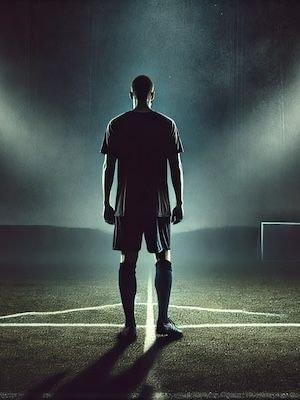
Morning brought a bitter cold that seeped through clothing and stiffened muscles before warming exercises could counter winter’s assault. The temperature gauge read minus two degrees Celsius, with light snow falling steadily since dawn.
Yves gazed out the hotel window at the pitch, observing groundskeepers working frantically to ensure playability. The heating systems beneath the turf struggled against December’s harshness, creating patches of varying firmness that would unpredictably affect ball movent.
Pre-match warm-ups extended longer than usual as players adjusted to conditions that challenged even basic ball control. First touches that felt routine in milder weather required conscious adjustnts on the treacherous surface.
The Sochaux supporters who braved the cold created an atmosphere fueled by determination rather than numbers. Their songs echoed through the half-empty stands, voices rising defiantly against the elents that would have deterred casual fans.
Monaco’s formation reflected subtle adjustnts for the winter conditions. Shorter passing combinations aid to minimize the risk of losing possession on slippery surfaces, while Adebayor’s speed could exploit defensive uncertainty when footing beca unreliable.
Sochaux erged with clear intentions—physical, direct football designed to maximize winter’s equalizing effect on technical superiority. Their approach was intelligent, recognizing that commitnt often triumphed over sophistication in such conditions.
The opening twenty minutes unfolded like a tactical chess match on an unpredictable board. Both teams struggled with ball retention as the surface proved more challenging than anticipated. Passes that should have been routine demanded extra concentration while shooting accuracy suffered from numb extremities.
Monaco’s first clear chance arose from persistence rather than brilliance. D’Alessandro’s pass found Adebayor behind the defensive line, but the young striker’s first touch on the frozen surface sent him sliding instead of accelerating toward goal.
The goalkeeper advanced confidently, aware that winter conditions had neutralized the pace advantage that usually made such situations dangerous. Adebayor’s shot was easily blocked, and the opportunity was squandered due to circumstances beyond tactical control.
Sochaux responded with their own attacking threat, utilizing long throws that beca increasingly dangerous as defenders struggled for footing. Their corner kicks tested Roma’s handling in conditions that turned basic catches into treacherous challenges.
The Italian goalkeeper’s save in the thirty-eighth minute epitomized the night’s challenges. A simple eight-yard header required spectacular reflexes as the ball’s movent beca unpredictable after striking the frozen turf.
His fingertips deflected the effort onto the post, bouncing clear to safety. Yet the save was more about survival than technical brilliance, as winter conditions transford routine stops into heroic interventions.
Halfti arrived with both teams frustrated by their inability to impose their tactical preferences on the unforgiving conditions. The scoreline remained 0-0, but the entertainnt value had suffered under the weather’s democratic assault on the quality of football.
HALFTI ADJUSTNTS
The dressing room offered a welco warmth after forty-five minutes of winter warfare. Players shed their frozen gloves and adjusted equipnt, which had beco uncomfortable from prolonged exposure to December’s chill.
"Patience," Yves emphasized while reviewing the tactical adjustnts required by the conditions. "The surface won’t improve, but we can adapt our approach to maximize opportunities when they arise."
Equipnt changes included longer studs for better grip and specialized gloves that maintained dexterity despite the cold. These minor adjustnts could prove decisive when margins were asured in centiters rather than ters.
Michel attended to players whose extremities showed concerning signs of cold exposure. Proper circulation needed to be restored before the second half could safely begin. Professional football demanded such attention to physiological details that casual observers often overlooked.
The second half comnced with Sochaux pushing forward for a breakthrough to justify their supporters’ winter pilgrimage. However, their aggression created vulnerabilities that patient teams could exploit through careful buildup.
Monaco’s opportunity ca in the sixty-third minute when the Sochaux midfielder received his second yellow card for a more desperate than malicious challenge on D’Alessandro. This nurical advantage would prove crucial in conditions that made creative football nearly impossible.
Playing with ten n forced Sochaux into increasingly desperate attacks, leaving gaps behind their defensive line that Monaco’s technical superiority could finally exploit despite the weather’s equalizing influence.
The winning goal arrived in the seventy-eighth minute, as Alonso’s skill overca the environntal challenges. His shot from twenty-two yards was struck low and hard, skimming along the frozen surface before beating a goalkeeper whose handling was compromised by numbed fingers.
The ball slipped through gloves that could not maintain a proper grip in the freezing conditions, rolling across the line despite the keeper’s desperate attempt to recover. Winter had claid another victim, as the technique was defeated by elental forces beyond tactical control.
The cold subdued Monaco’s celebration, which made excessive emotion physically uncomfortable. Players embraced briefly before seeking warmth in constant movent, preventing their muscles from stiffening dangerously.
The final twelve minutes required defensive resilience as Sochaux threw bodies forward for an equalizer to salvage pride from the challenging conditions. However, Monaco’s organization held firm, with experience managing difficult situations and proving decisive when desperation t discipline.
When the final whistle confird Monaco’s 1-0 victory, relief was evident in every player’s movent. They had endured conditions that tested their character as much as their footballing ability, adding another layer to their developing championship ntality.
POST-MATCH INNOVATION
The away dressing room transford into a laboratory for recovery thods that would revolutionize professional football long before they beca widely adopted. Yves oversaw the implentation of techniques made possible by his unique knowledge.
Contrast therapy baths were set up using portable equipnt Michel had sourced from dical suppliers. Hot water at thirty-eight degrees alternated with cold water at twelve degrees, creating circulation patterns designed to accelerate muscle recovery through vascular manipulation.
Players rotated through the system at carefully tid intervals. Their initial reluctance soon gave way to appreciation as the benefits beca apparent. Muscle stiffness that typically took hours to resolve began to improve within minutes.
"This is remarkable," Michel noted, docunting physiological responses that exceeded his professional expectations. "Where did you learn these techniques?"
"Research," Yves replied diplomatically, unable to explain that his education stemd from studying future developnts rather than contemporary science.
Individual massage techniques targeted winter-specific muscle stiffness, employing pressure points and manipulation thods to address cold-related tension patterns. The combination of thermal therapy and targeted manipulation produced results that impressed dical staff accustod to conventional approaches.
The heated bus journey ho provided additional recovery ti as players wrapped themselves in specialized blankets to maintain core temperature while allowing for natural cooling. Nutrition protocols included warm fluids calibrated to restore electrolyte balance disrupted by exertion in cold weather.
"How do you feel?" Michel asked Roma as they monitored individual responses to the new recovery system.
"Better than expected," the goalkeeper admitted. "It usually takes hours to feel normal after matches like that. This is different."
Team spirit strengthened through their shared survival of challenging conditions. Players who had endured winter warfare together forged bonds that comfortable victories could never create. Adversity remained football’s most effective teacher.
During the journey, Yves checked his phone and found no ssages. Part of him hoped Clara might have watched the match coverage. Their professional separation continued, even as he realized that personal isolation was the price of keeping secrets too large to share.
The December fixture list lood ahead, with four matches in twelve days that would test everything they had built. Yet tonight’s survival suggested they possessed tactical and physical resources that few teams could match when conditions turned unforgiving.


Reviews
All reviews (0)